
A fertility screening test is a set of investigations, not a diagnosis on its own and not a promise of a pregnancy. Before you book one in Malaysia, check who it is usually for, which tests are included, how you should prepare, what the results can and cannot show, and how fees and later options will be explained.
The outline below is general information. It does not rank clinics or doctors, and it is not personal medical advice.
Who a fertility screening is usually for
The World Health Organization’s fact sheet on infertility describes infertility as a failure to conceive after 12 months or more of regular unprotected sexual intercourse, and notes that people may also seek care for prevention or later planning. The NHS page on infertility similarly points people towards a clinical review after a period of trying, with earlier advice often suggested for women aged 36 and over, or when a known condition is already present.
Monash IVF KPJ’s fertility screening outline describes screening for couples who have been trying for about 12 months, for women aged 35 and over, for men with sperm concerns, and for people who want information for later planning. Those groups are a starting point for a conversation with a clinician, not a rule that you must, or must not, book a test.
The clinic is based at KPJ Johor Specialist Hospital in Johor Bahru. If you are travelling from elsewhere in Malaysia, or from across the Causeway, ask how results will be explained if you cannot return in person.
What the tests typically include
A first screening often looks at both partners. For the woman, that may include a hormone blood test, an anti-Mullerian hormone (AMH) result as one estimate of ovarian reserve, and a pelvic ultrasound. For the man, a semen analysis is commonly included. Some pathways also include tests for sexually transmitted infections.
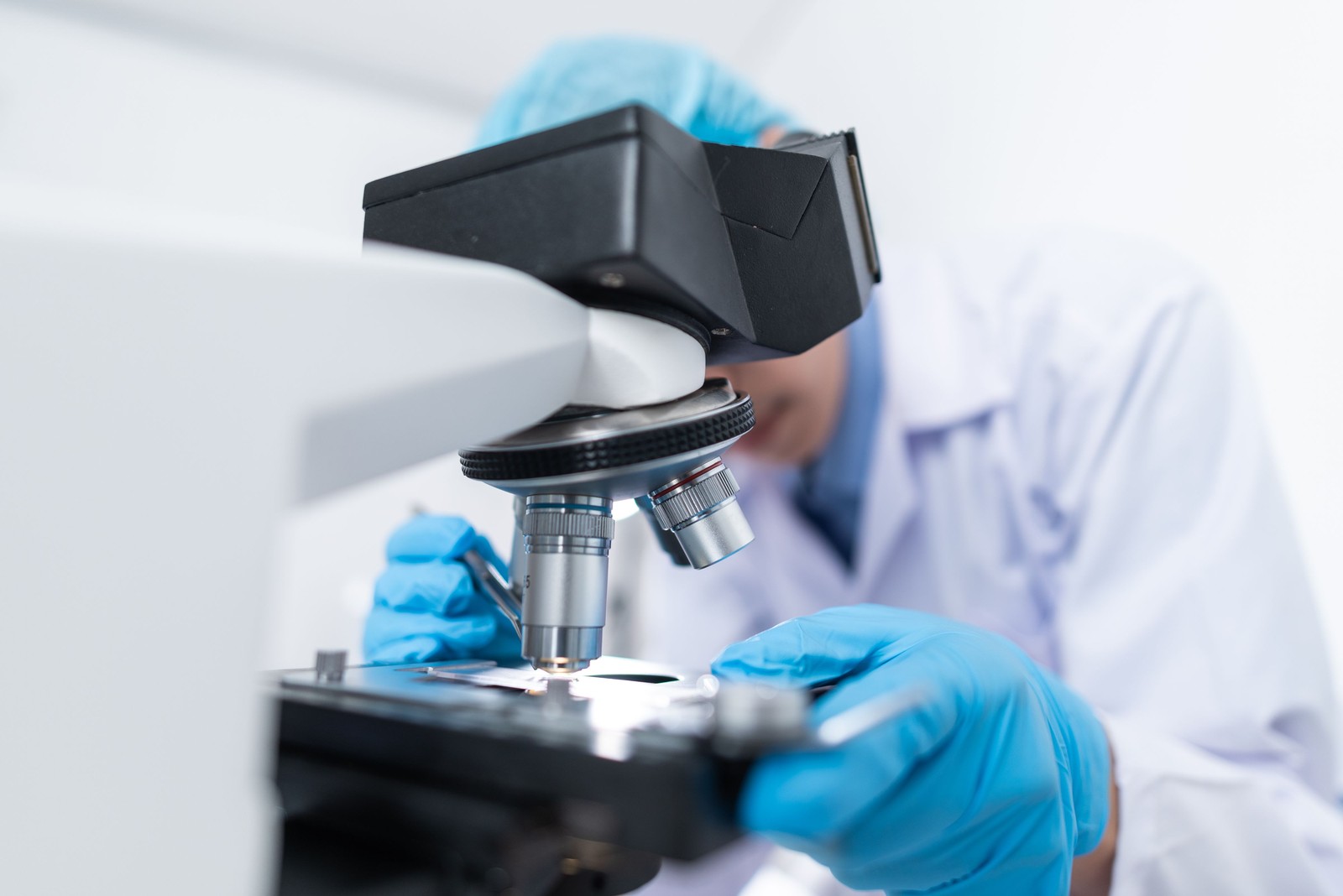
Ask for a written list of what is in the appointment you are booking, because package names can hide differences: one clinic’s “screening” may be a single blood test, another may include an ultrasound and a semen analysis on the same day. Confirm whether both partners are included, and whether any extra test will be billed separately.
How to prepare, and what results cannot promise
Preparation is usually simple, but it can change the usefulness of a result. The clinic’s screening page notes that women can often have blood work at any point in the cycle, and that men are commonly asked to abstain from ejaculation for two to five days before a semen analysis. Confirm those instructions when you book, and say if you are already taking hormones, supplements, or a medicine that could affect a reading.
Results can explain part of a fertility picture. They cannot guarantee a pregnancy, rule out every cause, or tell you that you will, or will not, need treatment later. An AMH result is one estimate of ovarian reserve, not a forecast of whether a particular cycle will succeed. A semen analysis describes the sample that was produced on that day; it is not a verdict on a person.
Ask who will explain the numbers, in plain language, and how soon that conversation will happen.
Fees and packages: confirm the contents in writing
Screening is often sold as a package. Prices and inclusions change, and a heading such as “best value” is marketing, not a clinical ranking. Ask for a current, dated quotation that lists every test, any doctor’s fee, and what happens if one partner’s test has to be repeated.
If a promoted figure appears on a website, treat it as a prompt to ask, not as a live offer. Keep the written quote with your appointment confirmation so you can compare it with the invoice.
After screening: a consult, or IVF as a later option
For many people, the next step is a conversation with a gynaecologist about what the results show and whether any further investigation is needed. The clinic’s doctor page introduces its specialists. Confirm a doctor’s current registration yourself, and do not treat marketing titles such as “best” or “leading” as a clinical ranking.
If treatment is later discussed, in vitro fertilisation is one of several options, not an automatic next step after a screening. The UK regulator’s page on in vitro fertilisation is a clear official outline of how IVF is done. Local Malaysian pathways, fees and eligibility differ, so use it as background, then read the clinic’s IVF treatment page and ask which steps, if any, would actually apply to your results.
An official HFEA film on how IVF is carried out. It is general background on a treatment that may be discussed later. A screening result does not mean IVF is required, and UK processes and fees may differ from those in Malaysia.
Frequently asked questions
When is a fertility screening usually considered?
A common starting point is 12 months of regular unprotected intercourse without a pregnancy, with earlier advice often discussed for women aged 35 or 36 and over, or when a known medical issue is already present. A clinician should help you decide whether a test is useful in your own situation.
What does a first fertility screening usually include?
Many pathways include hormone blood tests, an ultrasound, and a semen analysis, and some also include infection screening. Ask for a written list of what is in your appointment, because packages differ and extra tests may be billed separately.
Can the results tell me whether I will get pregnant?
No. Screening can explain part of a fertility picture, but it cannot guarantee a pregnancy or rule out every cause. Ask a clinician to explain what your own numbers show, and what they do not show, before you decide on any later treatment.
Does a screening mean I will need IVF?
No. Some people need no treatment, some need further tests, and some later discuss options such as medication, intrauterine insemination, or IVF. A screening is information for that conversation, not a booking for a particular treatment.

Recent Comments